
AI-Powered Defect Detection for Clean Room Panels
Client: UCT
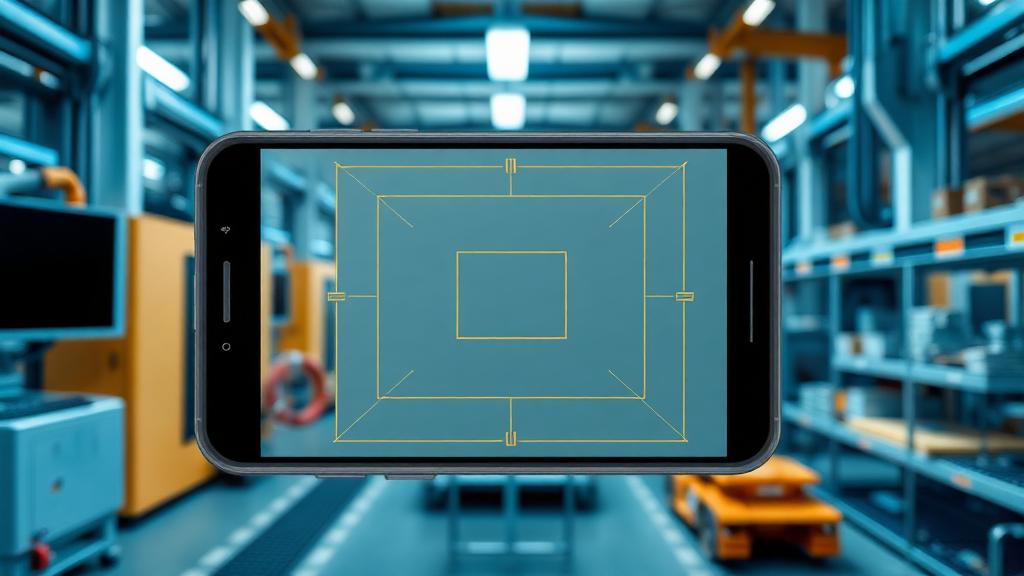
AI Detection in Action
Input Images
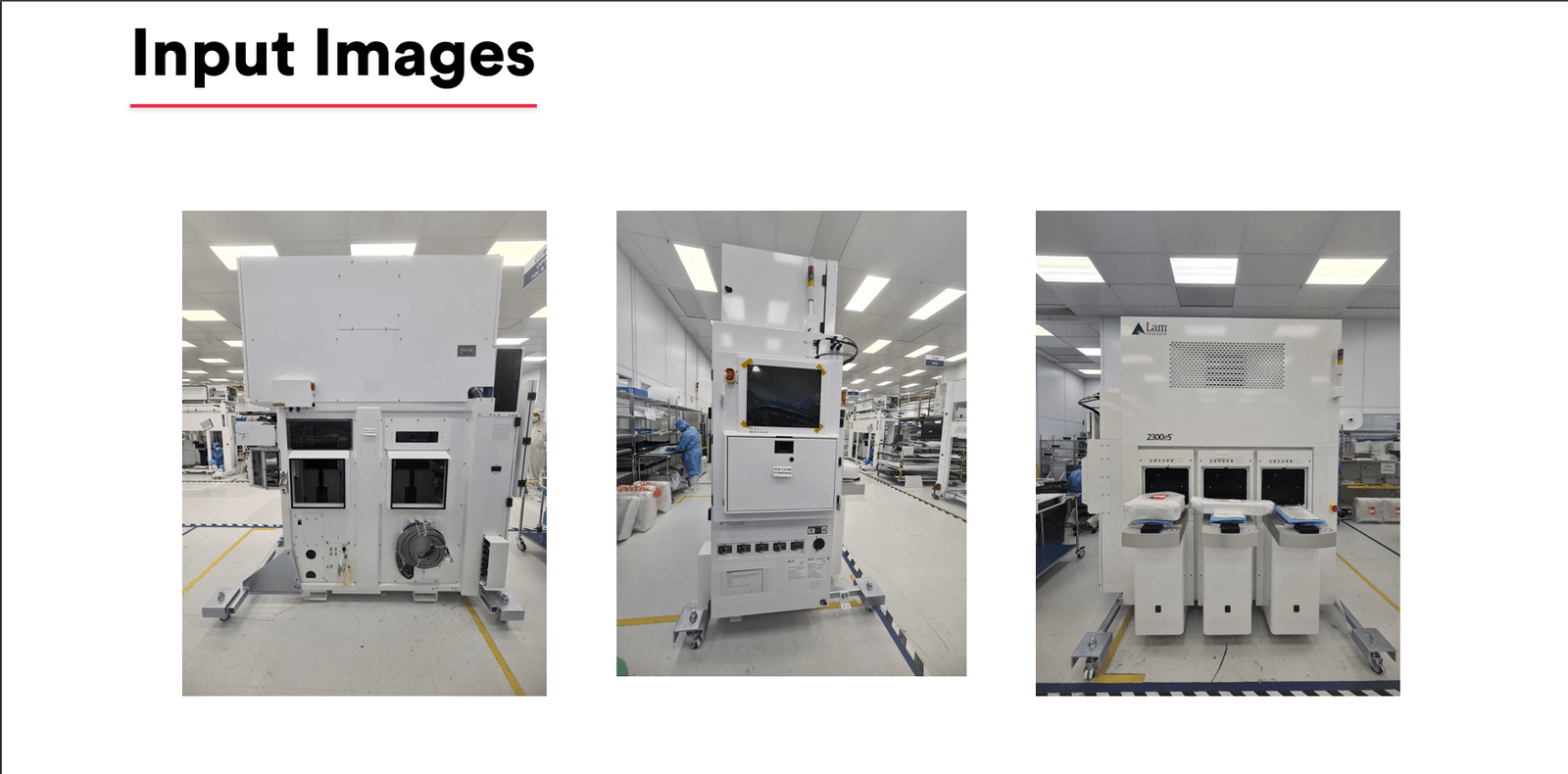
Raw images captured by inspectors on the factory floor
Output Images
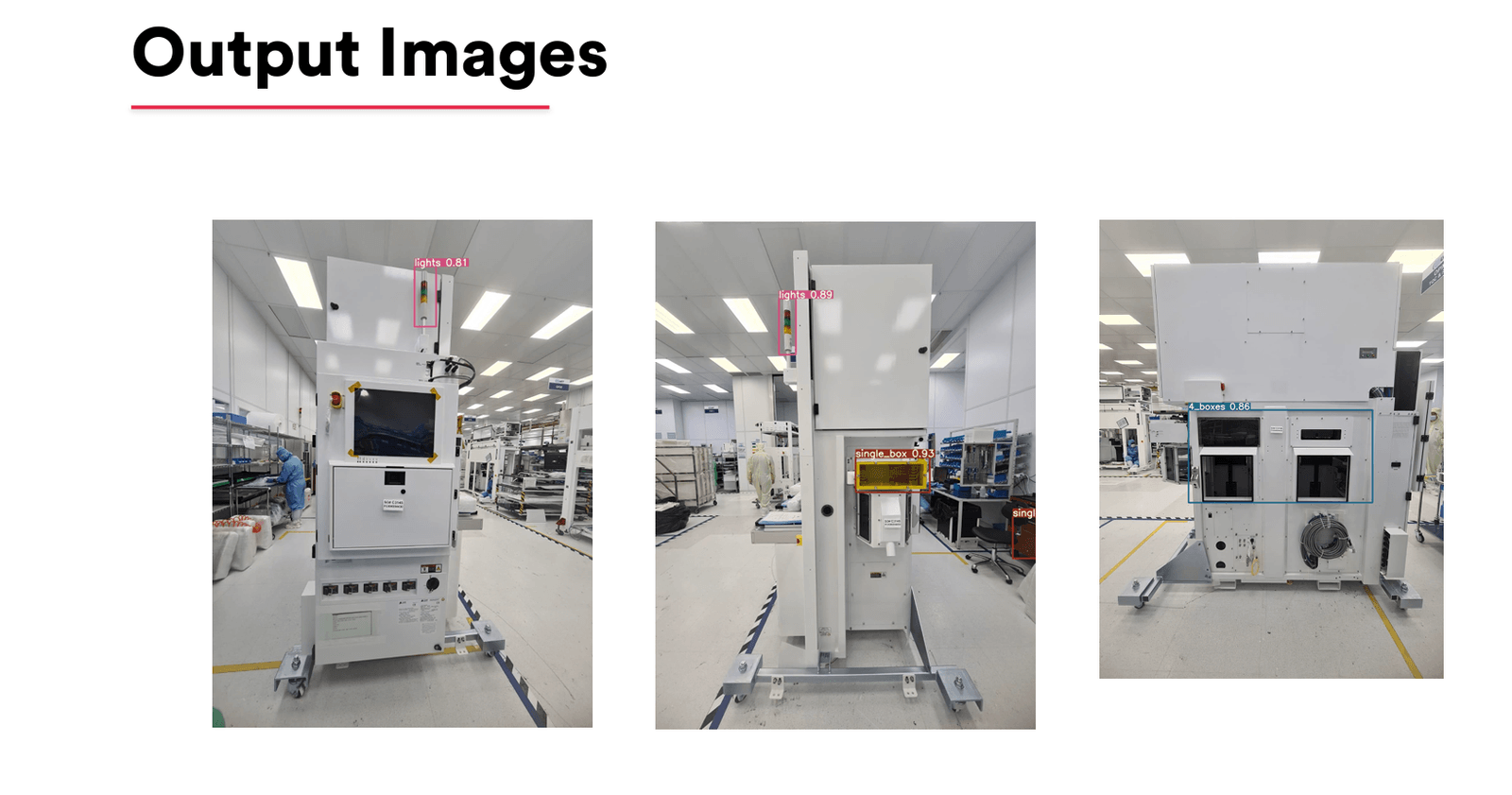
AI-detected components with confidence scores and annotations
What We Faced
A multi-million-dollar cleanroom manufacturing company produces custom Clean Room (CR) panels integrated with ducts, electrical fittings, connectors, and precision cut-outs. Each panel is uniquely designed based on site-specific requirements.
Key Pain Points
- 1Missing accessories on delivered panels
- 2Incorrect connector fittings
- 3Improper or missing cut-outs
- 4Incorrect panel coding
Constraints & Limitations
- 1Limited availability of trained inspectors
- 2High panel throughput
- 3Human error and inspection fatigue
- 4No systematic way to trace recurring defects to manufacturing units
How We Solved It
DayOne designed and deployed a Computer Vision–driven quality inspection platform that enables defect detection at the factory floor, before panels are shipped to sites. The solution combines AI-based visual inspection, mobile-first defect capture, and centralized analytics with model management.
Technical Approach
Image Acquisition: Quality inspectors capture high-resolution images of CR panels using Android/iOS applications directly on the factory floor.
Computer Vision Pipeline: Object detection and region-based classification models (RCNN-based architecture) for detection of missing components, incorrect fittings, cut-out mismatches, and labeling inconsistencies. OpenCV-based preprocessing for lighting normalization and geometric alignment.
Model Lifecycle Management: Continuous dataset expansion through inspector-tagged images, admin-controlled retraining and versioning of models, feedback loop for defect recurrence analysis.
Analytics & Traceability: Defects are correlated with manufacturing units, enabling data-driven root cause identification.
Platform Capabilities Delivered
Mobile Applications (Android & iOS)
- Secure login & profile management
- Capture and submit CR panel images
- Defect tagging and annotation
- Historical scan reports
- Real-time notifications
Admin & Analytics Panel
- Model management and retraining controls
- Data library for annotated images
- Defect trend dashboards
- User and role management
- Configuration and alerting systems
Technology Stack
Measurable Results
Early defect detection before dispatch, reducing site-level rework
Significant reduction in installation delays
Actionable insights into recurring manufacturing issues
Scalable inspection without proportional increase in manpower